Farms and orchards need cameras at equipment yards, pumps, fuel, packing areas and field roads, often far from power and Wi-Fi. EyeBuild cameras run on solar and battery, record Full HD and connect over cellular. In Arizona, rentals are installed for you. Elsewhere, EyeCore ships for self-installation with SIM, Wi-Fi or Starlink. Request a quote.
Quick facts
- Video
- Full HD
- Power
- Solar and battery
- Connections
- SIM / Wi-Fi / Starlink (EyeCore)
- Storage
- 30-day cloud storage
- Arizona
- EyeBuild or EyeGuard rental installed for you, or buy EyeCore
- Anywhere in the US
- EyeCore ships and is self-installed · Request a quote
What EyeCore gives you
- AI detection
- people and vehicles, not wind or animals
- License-plate reading
- allow / block lists, alerts on hits
- Night vision
- infrared, Full HD after dark
- Solar powered
- panel + battery, up to 14 days of battery backup, depending on conditions
- No wiring, no trenching
- nothing to run, nothing to dig
- Works without Wi-Fi
- 4G LTE; data included; no Wi-Fi required
- Full HD video
- live view and continuous 24/7 recording
- 30-day cloud storage
- timeline playback and clips
- Automatic time-lapse
- project progress, no setup
- Self-install in minutes
- ships anywhere in the US
- You own the unit
- buy once, no rental
- Multi-site dashboard
- every camera, one login
Request a quoteWhat a farm or orchard needs to see
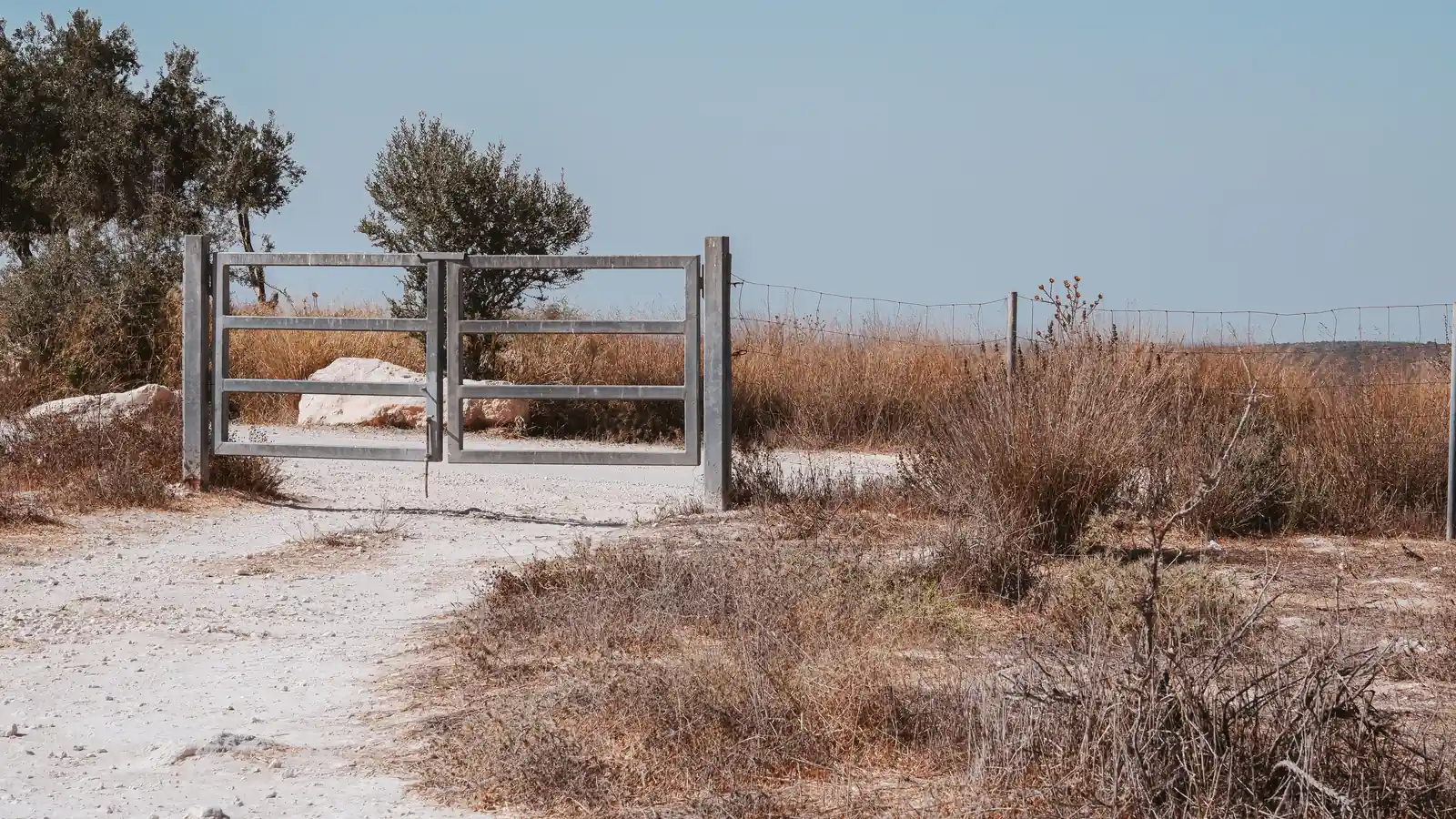
A farm's most valuable portable assets are usually concentrated in a few places: the equipment yard and shop, fuel storage, chemical and fertilizer storage, irrigation pumps and controllers, and, during harvest, packing or staging areas with bins and trailers. Orchards and vineyards add long rows with internal roads where vehicles can enter unseen. A good plan covers those concentrations and the roads that lead to them.
The USDA Census of Agriculture describes the range of U.S. farm types and sizes, which is a reminder that no single layout fits every operation. A small orchard may need one camera at the shop and one at the entrance; a large row-crop operation may need several at separate yards and pump sites. Count access points and asset areas rather than acres.
Equipment yards, pumps and fuel
Place a camera so it sees the approach to the equipment yard and the yard itself, angled to capture vehicles entering. Fuel tanks and chemical storage should be in view, ideally from the same camera. For irrigation pumps, solar pumps and well equipment, a camera can help document tampering or theft of components and wire, and can help you notice problems sooner.
Mount high and stable, out of reach of equipment that swings or backs up. Keep the solar panel clear of shade from sheds, grain bins and tree lines, and check the view again as trees leaf out. Dust from field roads and spray drift can film lenses and panels, so plan routine cleaning.
Seasonal crews and authorized activity
Farms have heavy legitimate traffic during planting and harvest. Use detection zones and schedules so alerts focus on after-hours activity in yards and storage, not on daytime crews in the field. Tell employees, contractors and buyers that cameras are present. AI detection focuses on people and vehicles, which reduces alerts from moving branches or irrigation, though some tuning is normal.
With EyeBuild rentals and EyeCore, alerts go to your team in the app. EyeGuard rentals in Arizona add third-party monitoring center verification, which can contact you or request dispatch if warranted. Decide who checks night alerts.
Arizona farms and farms elsewhere
 A rustic barbed wire fence in a sunny rural landscape with mountains in the background.
In Arizona, EyeBuild and EyeGuard are rentals that EyeBuild installs; same-day installation is available for Arizona rentals, subject to scheduling and location. Rental rates and month-to-month terms are published on the pricing page, plus the one-time installation charge listed there. Short seasonal coverage, such as harvest, fits the month-to-month rental model.
Anywhere in the US, including Arizona, EyeCore is camera ownership: shipped to you, self-installed, solar-only, recording continuously 24/7 in Full HD with 30 days of cloud storage, AI alerts and license plate recognition. Hardware, software and data plans are billed separately, and pricing is by quote.
Connectivity across fields
 A communication tower in a rural field with a clear blue sky.
Cellular service can vary between a farmstead and a distant pump. Test the signal at the mounting point; the FCC National Broadband Map shows reported coverage, but it is not a guarantee. For EyeCore, Wi-Fi is practical near the shop if the network reaches reliably; Starlink can serve open locations with a clear sky view and its own power and service. Change default passwords and keep firmware updated, as CISA recommends for internet-connected cameras.
Planning checklist for a farm or orchard
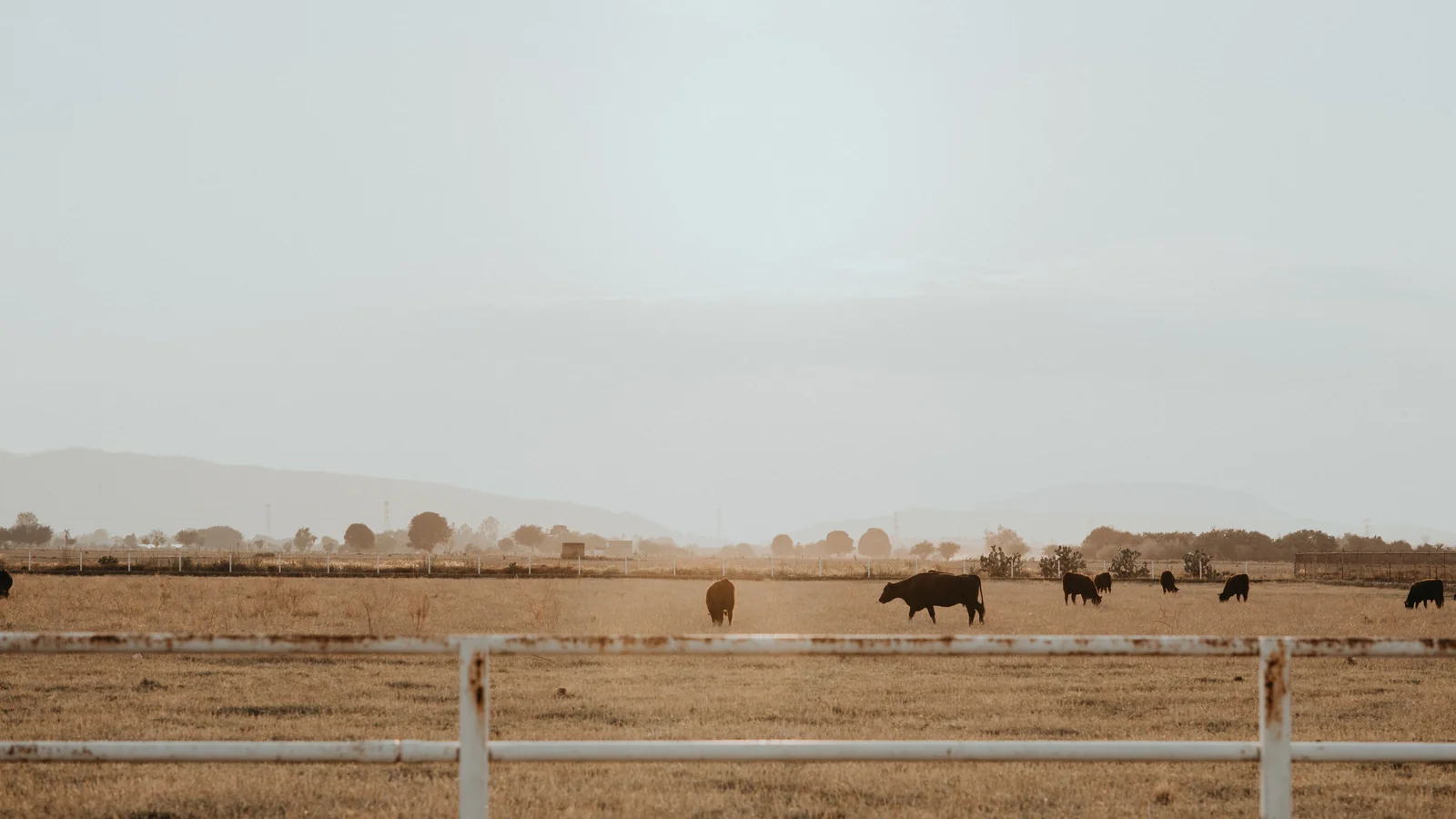
Map the operation before choosing camera locations. Mark the farmstead entrance, field access roads, the equipment yard and shop, fuel and chemical storage, irrigation pumps and controllers, and seasonal packing or staging areas. Note which assets move during the year: equipment that sits in the yard in winter may be spread across fields in summer, so the camera plan may need to shift with it.
For each spot, check sun exposure through the year, including shade from trees once they leaf out, shading from bins and sheds, and dust or spray exposure. Confirm you can reach the mount safely for cleaning. Do a quick signal test with a phone, then a proper test at the mounting point. Decide who receives alerts during harvest, when activity runs late, versus the off-season.
Keep a simple log of incidents and alerts during the first season. It shows which cameras are worth keeping where they are and where an additional camera would help. Share the camera locations with crew leaders so legitimate night work does not create confusion, and keep exported clips organized by date and location for insurance or incident reports.
Revisit placement before each new season, especially when equipment storage or crew routines change.
Arizona rental or EyeCore ownership
| Question | Arizona property | Property anywhere in the US |
|---|
| Product | EyeBuild or EyeGuard rental | EyeCore ownership |
|---|
| Installation | Installed by EyeBuild; same-day installation available for Arizona rentals | Ships to you; self-installed |
|---|
| Pricing | Published monthly rental rates | Request a quote |
|---|
| Alert review | Your team (EyeBuild) or third-party monitoring center verification (EyeGuard) | Your team reviews alerts in the app |
|---|
| Connection | Built-in cellular | SIM, Wi-Fi or Starlink |
|---|
Agriculture · Energy and utilities · Ranch guide · Pricing · National directory
Frequently asked questions
Can I rent cameras for harvest only?
In Arizona, EyeBuild and EyeGuard rentals are month-to-month. Anywhere in the US, including Arizona, EyeCore is ownership and is quoted.
Will irrigation or trees trigger alerts?
AI detection focuses on people and vehicles, and detection zones reduce unnecessary alerts. Tune zones after installation.
Do I need power at a pump site?
No. Cameras run on solar and battery. Confirm sun exposure and connectivity at the location.
Can a camera cover an entire orchard?
No single camera can. Focus on entrances, internal roads and storage areas.
Does EyeBuild install outside Arizona?
No. EyeCore ships for self-installation anywhere in the US, including Arizona. Request a quote.
How long is footage kept?
30 days of cloud storage.
Sources & photo credits
- Photo: Hayden Soloviev, CC BY 4.0, via Wikimedia Commons. Cropped and converted to WebP.
- Photo: Ann Perkas, Pexels License, via Pexels. Cropped and converted to WebP.
- Photo: Josh Hild, Pexels License, via Pexels. Cropped and converted to WebP.
- Photo: Vladimir Srajber, Pexels License, via Pexels. Cropped and converted to WebP.
- Photo: Brunxs, Pexels License, via Pexels. Cropped and converted to WebP.
- Photo: USDAgov, Public domain, via Wikimedia Commons. Cropped and converted to WebP.
- Photo: Austin Sullivan, Pexels License, via Pexels. Cropped and converted to WebP.
- Photo: Dietmar Rabich, CC BY-SA 4.0, via Wikimedia Commons. Cropped and converted to WebP.
- Photo: Greg N, CC BY-SA 3.0, via Wikimedia Commons. Cropped and converted to WebP.


